
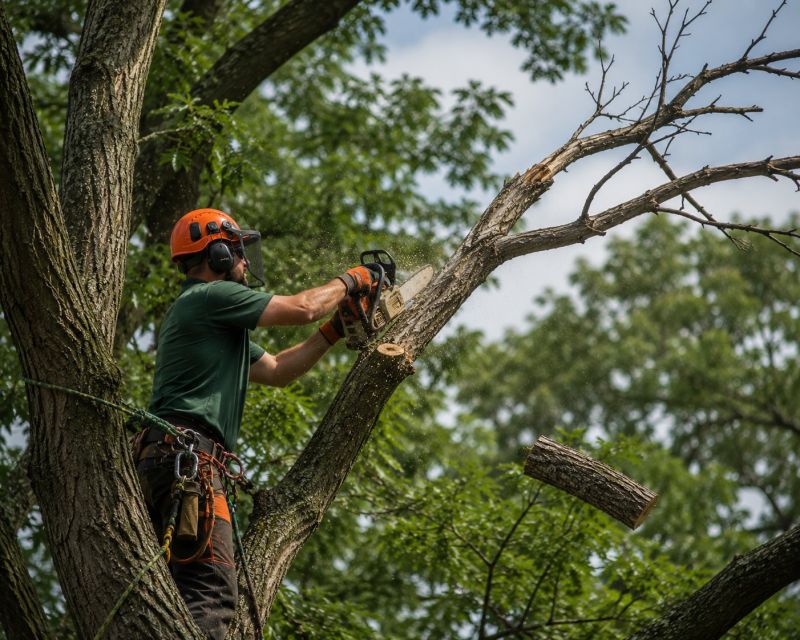
Dead Branch Removal in San Jose, CA
Dead branch removal services involve safely pruning and removing dead, damaged, or overgrown branches from trees and shrubs on residential properties. This work helps improve the overall health and appearance of trees, reduces the risk of falling branches, and minimizes potential damage to structures, vehicles, or power lines. Projects can range from removing a single hazardous limb to comprehensive pruning of entire trees, especially those with dead or weakened branches that pose safety concerns or hinder landscaping efforts.
Property owners considering dead branch removal often want to understand which branches should be removed and how the process may affect the tree’s health and growth. It’s also common to inquire about the best timing for pruning, the equipment used, and any potential impact on nearby plants or structures. Proper assessment and removal of dead or problematic branches can help maintain a safe, attractive outdoor space while supporting the long-term health of trees and shrubs.
Many property owners in San Jose, CA look into Dead Branch Removal for repairs, replacements, upgrades, and appearance-related improvements.
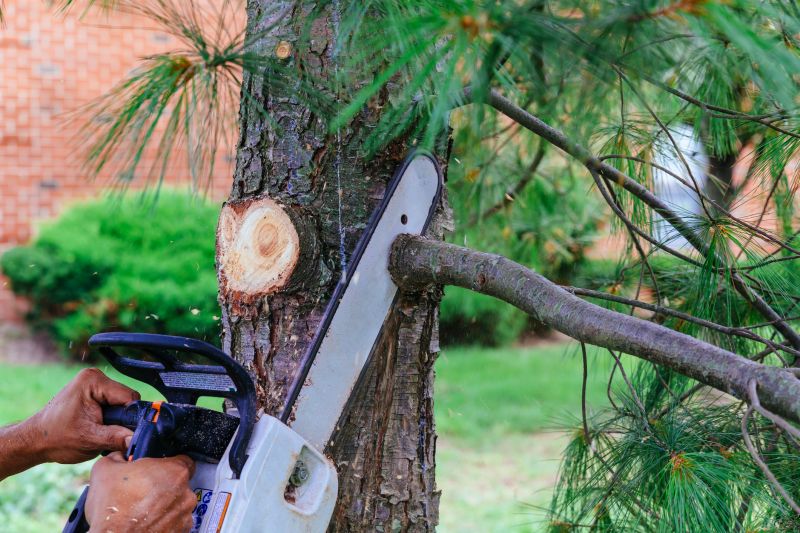
Safety And Property Protection
Removing dead branches reduces the risk of falling debris and property damage.
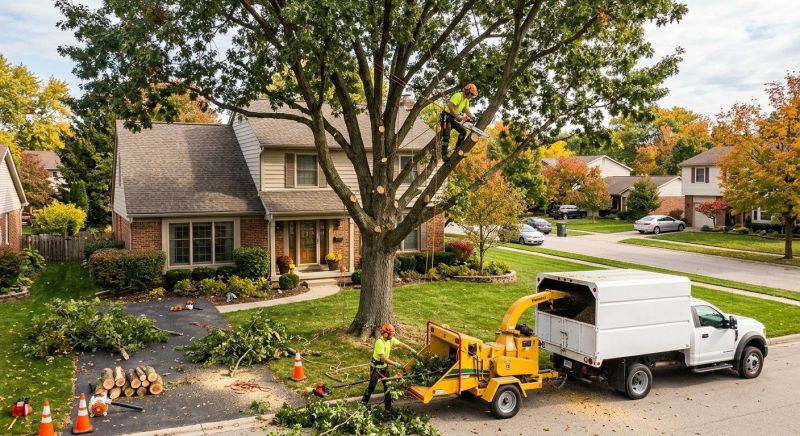
Tree Health And Maintenance
Pruning dead branches helps maintain the overall health and appearance of trees in san jose yards.
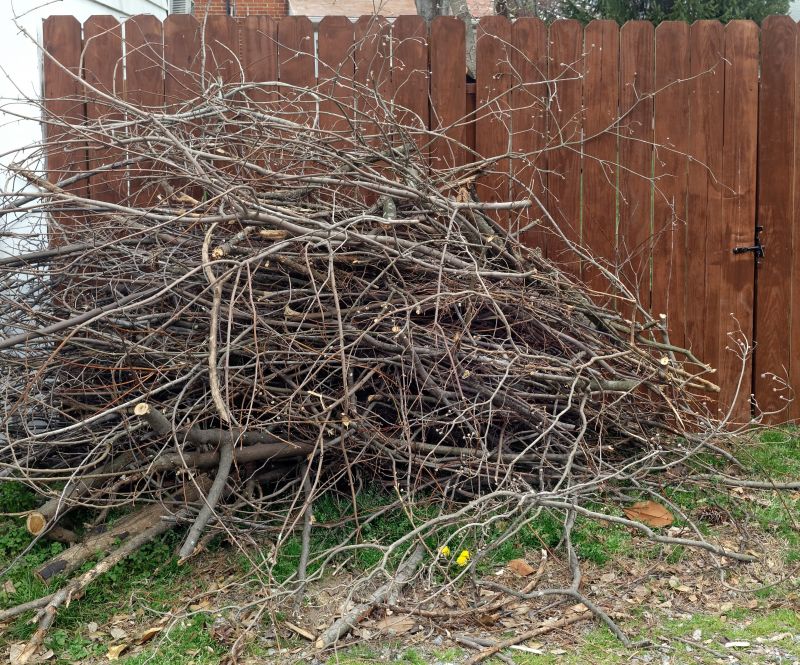
Aesthetic Enhancement
Dead branch removal improves the visual appeal of trees and enhances curb appeal for homes and businesses.
Dead Branch Removal in San Jose, CA
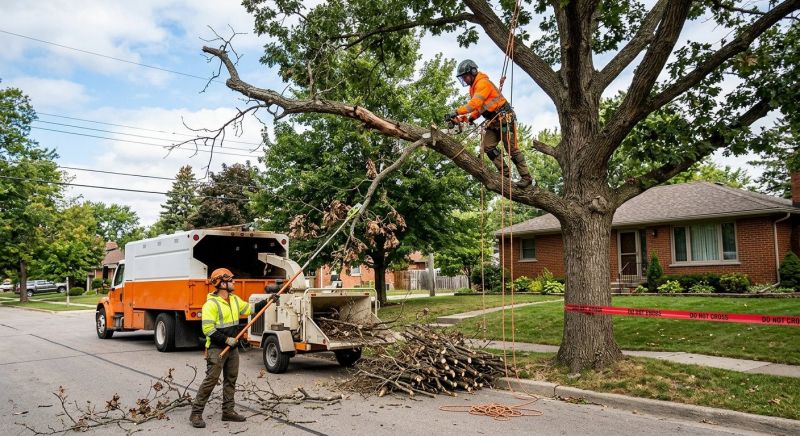
Dead branch removal services involve safely pruning and removing dead, damaged, or overgrown branches from trees and shrubs on residential properties. This work helps improve the overall health and appearance of trees, reduces the risk of falling branches, and minimizes potential damage to structures, vehicles, or power lines. Projects can range from removing a single hazardous limb to comprehensive pruning of entire trees, especially those with dead or weakened branches that pose safety concerns or hinder landscaping efforts.
Property owners considering dead branch removal often want to understand which branches should be removed and how the process may affect the tree’s health and growth. It’s also common to inquire about the best timing for pruning, the equipment used, and any potential impact on nearby plants or structures. Proper assessment and removal of dead or problematic branches can help maintain a safe, attractive outdoor space while supporting the long-term health of trees and shrubs.
Many property owners in San Jose, CA look into Dead Branch Removal for repairs, replacements, upgrades, and appearance-related improvements.
Common Dead Branch Removal Jobs
Dead Tree Removal - safely removing trees that are dead or dying to prevent hazards.
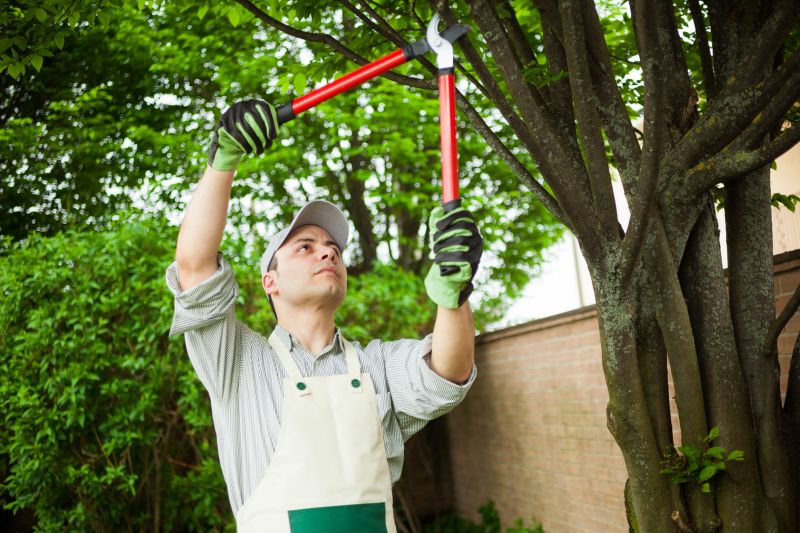
Branch Trimming - cutting away dead or broken branches to improve tree health and safety.
Storm Damage Cleanup - clearing dead branches damaged by storms to protect property.
Overgrown Tree Pruning - removing dead or excessive branches to maintain proper tree structure.
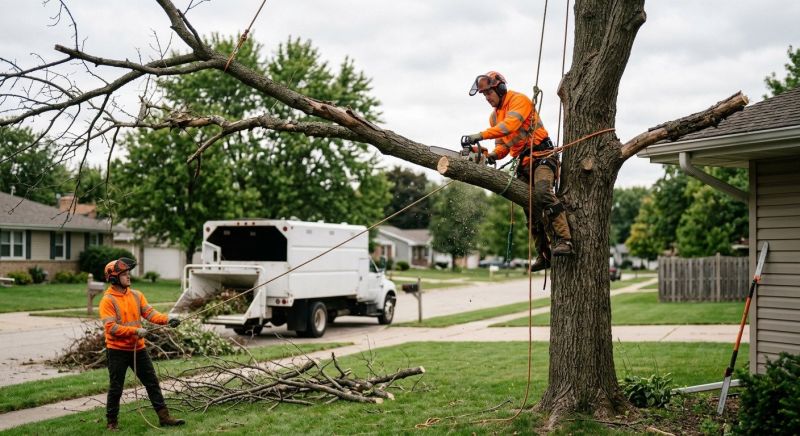
Hazardous Branch Removal - removing branches that pose a risk of falling or causing property damage.
Tree Health Assessment - evaluating dead branches to determine necessary removal or treatment.
Dead Branch Removal Questions
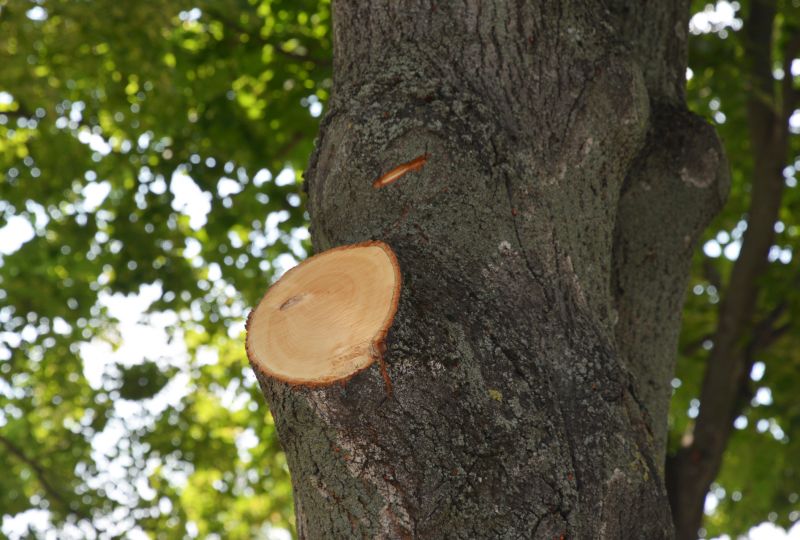
Why should dead branches be removed? Removing dead branches helps prevent potential damage to property and reduces the risk of falling branches that could cause injury.
What types of trees are suitable for dead branch removal? Most deciduous and evergreen trees with visible dead or damaged branches can benefit from removal services.
How does dead branch removal improve tree health? Removing dead branches allows the tree to focus energy on healthy growth and reduces the chance of disease spreading.
Is dead branch removal necessary for safety? Yes, removing dead branches minimizes hazards from falling debris and helps maintain a safe property environment.
Request Dead Branch Removal in San Jose, CA
Use the quote form on this page to share the basics of your project and request more information for the type of work you need.